Why Analog Childhood Memories Still Hit So Hard
The phone cord stretched as far as it could reach, which was apparently the official boundary of your social life. You waited for a favorite song to come on the radio, recorded it with a little DJ chatter at the beginning, and called it a mixtape. Analog childhood memories are not about pretending everything used to be better. They are about remembering when life had fewer tabs open, fewer receipts, and absolutely no way for your parents to track your location at the mall.
Why Analog Childhood Memories Still Feel Different
Gen X did not grow up in a flawless golden age. We had wood-paneled station wagons, questionable cafeteria pizza, and plenty of boredom. But boredom had room to breathe. It was the place where you read the back of a cereal box for the third time, rode your bike until the streetlights came on, or called every friend you knew until someone finally answered.
That is part of why these memories have such a grip. Childhood activities had texture. You pressed buttons, turned dials, rewound tapes, folded notes, slammed down phone receivers, and learned that blowing into a game cartridge was basically advanced technical support. The physical effort made small moments feel like events.
Digital life is convenient, obviously. Nobody genuinely wants to return to printing MapQuest directions and hoping the passenger can read tiny highway exits while holding a gas-station coffee. But convenience can erase the little rituals that made things memorable. A playlist appears in seconds. A photo takes no film, no waiting, no weird doubles from the drugstore. A message reaches someone immediately, whether they asked for it or not.
The old stuff took time. Time is often what gave it meaning.
The Freedom of Being Briefly Unreachable
For many Gen X kids, being out of the house meant being out of reach. Your parents had a general idea of where you were. You had a general idea of when dinner happened. Everyone accepted that this was enough information for one afternoon.
There was freedom in that arrangement, along with some obvious risks we should not romanticize. Kids had more unsupervised time, and not every situation was safe or ideal. Still, there is a real difference between independence and constant monitoring. Riding to a friend's house, wandering the video store, or spending an hour at the arcade came with a feeling that belongs to a pre-notification era.
You were not building a personal brand. You were just trying to beat a level, find a decent snack, or avoid calling a crush's house when their dad might answer.
That lack of audience matters. So much of adult life now is documented, rated, tracked, shared, and optimized. Analog childhood memories remind us of the relief of doing something ordinary with no evidence afterward. No photo dump. No location pin. No group-chat analysis. Just a Saturday that disappeared because you were busy having it.
The Objects Were Part of the Story
A cassette tape was never just a cassette tape. It held the song you waited all week to catch on the radio, the mix someone made for you, or the album you played so often the case cracked. A VHS tape meant Friday night, a blanket on the couch, and the obligation to rewind it before returning it. A school notebook might contain homework, doodles, phone numbers, and notes folded into shapes that would confuse modern engineering teams.
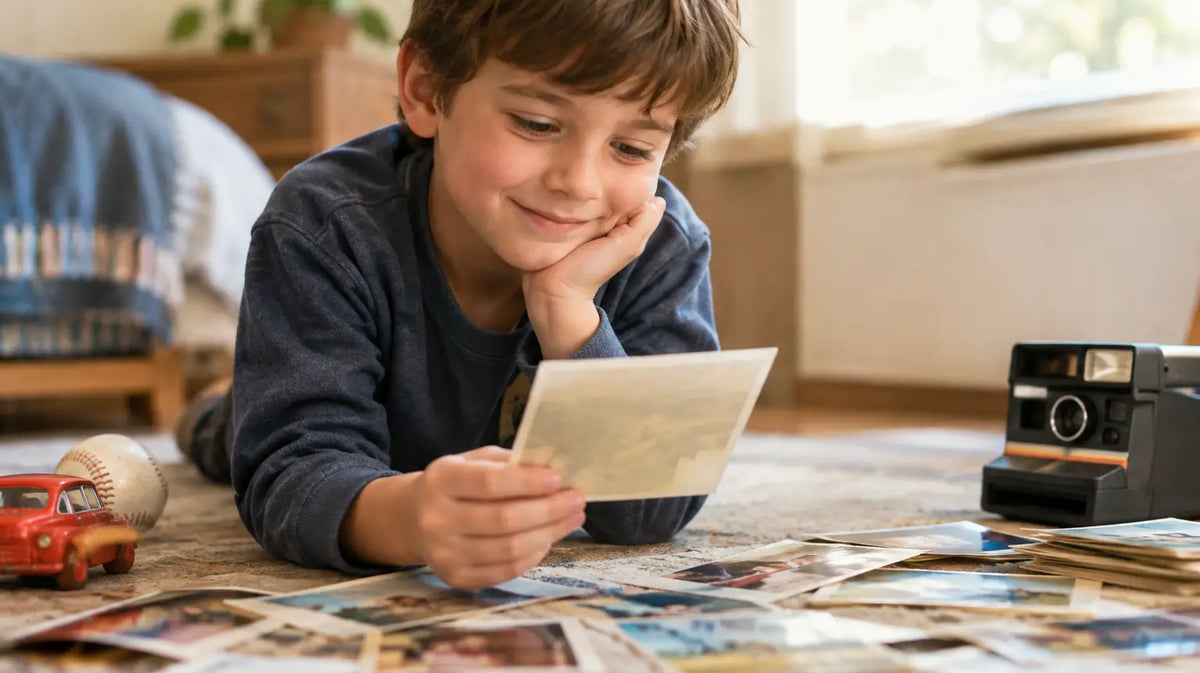
These objects became accidental archives. They were imperfect, but that was the point. A Polaroid could be blurry. A yearbook message could be awkward. A handwritten note could have a crossed-out word that made the whole thing more honest. Nothing was editable forever.
That is why nostalgia is not merely about old products. It is about proof that life was once allowed to be messy without becoming content. A scratched CD, a faded concert shirt, or a shoebox of ticket stubs can carry more emotional weight than thousands of perfectly organized photos sitting somewhere in the cloud.
Why Nostalgia Gets Stronger in Digital Adulthood
The sharper the contrast, the stronger the memory. Gen X had an analog childhood and a digital adulthood, which means we remember both sides of the switch. We used encyclopedias, then search engines. We made plans by landline, then started carrying tiny computers that can interrupt a meal with an alert about a coupon we do not need.
That perspective creates a particular kind of nostalgia. It is not anti-technology. Most of us enjoy streaming music, online shopping, GPS, and not having to develop film just to discover our thumb covered the lens. The issue is not that technology exists. The issue is that it keeps trying to occupy every quiet second.
Analog childhood memories feel valuable because they point to a pace we recognize. They remind us that waiting was normal, privacy was possible, and a person could be unavailable without triggering a wellness check from three separate family members.
They also carry a little rebellion. When everything is engineered for speed, choosing a slow, familiar thing can feel satisfying. Put on an old album all the way through. Play a board game with actual pieces. Wear the shirt that makes another Gen Xer laugh in the grocery store. No algorithm needed.
Nostalgia Works Best When It Has a Sense of Humor
There is a fine line between remembering the past and moving into it permanently. The goal is not to insist kids today have no idea what fun is because they have never had to untangle a cassette tape with a pencil. They have their own memories in progress, and they will eventually explain them to younger people with the same level of concern.
The better move is to enjoy the references without becoming the person who lectures a teenager about how dial-up built character. It did not build character. It built patience, upper-body tension, and a powerful dislike of hearing someone pick up the phone while you were online.
Humor keeps nostalgia from getting precious. A funny graphic tee, mug, or hoodie can say, “Yes, I remember life before Wi-Fi,” without making it sound like a formal complaint to the internet. It is an inside joke for people who remember renting movies, owning one phone line, and being told to come inside when the streetlights came on.
That shared recognition is why nostalgic designs make such good everyday gifts. They do not require a big speech. The right reference does all the work. It tells someone you remember their era, their habits, and possibly their ongoing refusal to accept that 1994 was more than thirty years ago.
Keep the Parts Worth Keeping
The best use of nostalgia is not escape. It is selection. Keep the parts that made life feel more human: the unplanned conversations, the tangible keepsakes, the music listened to without multitasking, and the freedom to be offline for an afternoon.
Wear what makes you laugh. Put your favorite old song on without skipping ahead. Call a friend instead of sending the fifth vague reaction in a text thread. Analog childhood memories do not ask you to give up modern life. They just offer a useful reminder: not every moment needs to be instant, optimized, or available for review.
Read More
15 Best Sarcastic Gifts Adults Will Actually Use

Dad Apparel That Gets More Wear Than a Tie